
Time Isn’t a Barrier to Justice: High Court Allows HistoricalChild Abuse Claim Against the Salvation Army
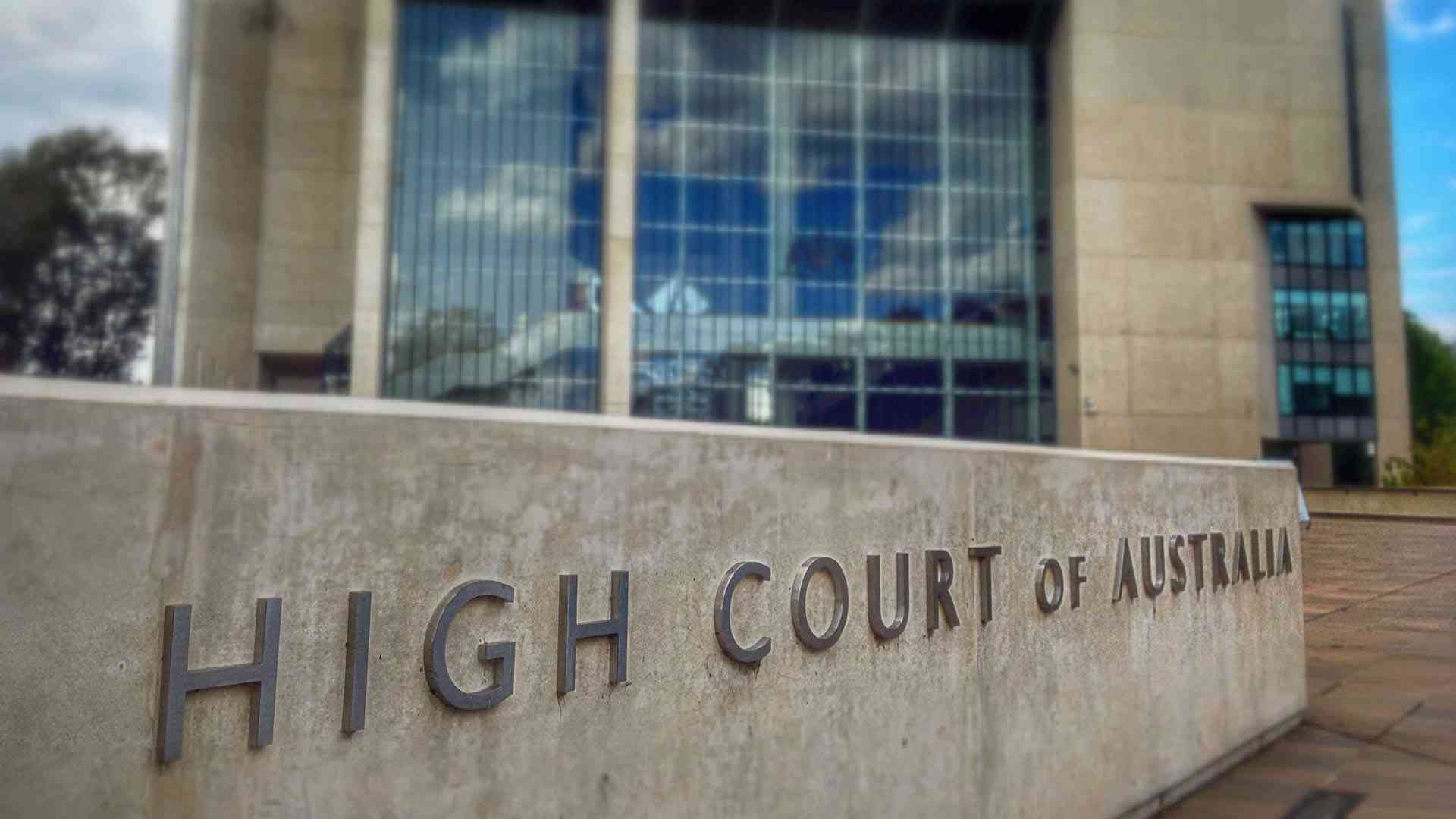
On November 13, 2024, the High Court of Australia (the Court) handed down its decision in the case of RC v The Salvation Army (Western Australia) Property Trust. The Court granted special leave and allowed the appeal of RC in proceedings against the Salvation Army, arising from alleged sexual abuse that occurred in 1959-1960. The Court considered whether the Salvation Army could establish that a fair trial was impossible due to the passage of time, loss of witnesses, and absence of documentary evidence. The full decision
can be found here (Decision).
The Court’s decision confirms that organisations cannot rely solely on the passage of time to avoid responsibility for historical child sexual abuse claims. It reinforces the obligation to maintain safeguarding practices, even for claims that occurred decades earlier.
Background
RC commenced proceedings in 2018, alleging that he had been sexually assaulted whilst he was a resident of a Salvation Army home. He claimed that the Salvation Army had breached a non-delegable duty to take reasonable care for his safety, violated statutory duties under the Child Welfare Act 1947 (WA), and was vicariously liable for the officer’s intentional torts. In response, the Salvation Army sought a permanent stay of the proceedings, arguing that it could not mount a meaningful defence due to the death of key witnesses, including the alleged perpetrator, Lt. Swift, and the home’s manager, Major Watson, the limited availability of surviving officers, and the loss of relevant documentary records.
The Decision
The High Court applied the principles established in Willmot v Queensland to the
circumstances of RC’s claim. The Court emphasised that the Salvation Army bore the burden of proving that a fair trial was impossible and could not rely on mere speculation about lost evidence.
In considering witnesses, the Court noted that some individuals were still alive or could potentially provide relevant information, yet the Salvation Army had not adequately investigated these sources. Regarding documentary evidence, the Court observed that records from the 1950s and 1960s had largely been destroyed by 1967, prior to the expiry of any limitation periods, but this did not prevent a fair trial from taking place. Additionally, testimonies from other survivors of Lt Swift’s conduct offered avenues to investigate circumstantial facts relevant to RC’s allegations.
The Court recognised that the passage of time presents challenges in historical abuse cases, but it does not automatically justify a permanent stay of proceedings. It found:
- The passage of time does create challenges but does not automatically justify a
permanent stay; - The Salvation Army failed to prove it could not defend the proceedings;
- The potential loss of testimony from Lt Swift and others was not sufficient to establish prejudice;
- Evidence from systemic investigations, surviving officers, and other complainants could allow a meaningful defence to be mounted.
The Court then granted special leave to appeal and largely dismissed the Salvation Army’s appeal against the permanent stay. One specific claim, contained in paragraph 11(b) of the statement of claim, was permanently stayed. However, RC’s broader claims, encompassing breaches of non-delegable duty, statutory duty under the Child Welfare Act 1947 (WA), and vicarious liability were permitted to proceed to trial.
Lessons for Organisations
This decision carries critical lessons for organisations.
Historical claims can proceed decades later: The passage of time alone does not bar proceedings.
Early investigation matters: Promptly documenting and investigating complaints can reducefuture exposure.
Duty of care is ongoing: Non-delegable and statutory duties require organisations to safeguard children, and this duty will be found for historical claims.
Records and witnesses are critical: The absence of documents or deceased witnesses does not automatically prevent proceedings.
Legal preparedness is essential: Organisations should seek advice immediately after notification of historical abuse claims to gather evidence and prepare a response.
How Can Safe Space Legal Help?
Safe Space Legal has extensive experience working with organisations that work with children and young people across Australia to strengthen their safeguarding frameworks and ensure they are meeting their child safety obligations. We provide comprehensive support including:
- Conducting Child Safety Training, including Duty of Care;
- Drafting best practice child safety policies, procedures and codes of conduct;
- Conducting gap analysis audits of critical incidents;
- Providing training on legal obligations, duty of care and child safety;
- Conducting trauma-informed child safety investigations which are compliant with
relevant state and territory schemes; and - Providing advice on risk mitigation.
Contactoffice@safespacelegal.com.au or call 03 9124 7321 to organise a complementary discussion in relation to your organisation’s child safety and safeguarding needs.
Contact us for a 30-minute consultation to discuss your organisation’s safeguarding needs

Patrice Fitzgerald is the Principal Lawyer and Director of Safe Space Legal. Patrice has over 20 years of experience working in the legal sector, predominantly in safeguarding and child protection.
Patrice has extensive expertise supporting organisations to comply with their safeguarding obligations. Alongside her role at Safe Space Legal, Patrice is also a Member of the Victorian Civil & Administrative Tribunal in the Review and Regulation List (Child Welfare).
- Patrice Fitzgerald
- Patrice Fitzgerald
- Patrice Fitzgerald
- Patrice Fitzgerald
- Patrice Fitzgerald
- Patrice Fitzgerald
- Patrice Fitzgerald
- Patrice Fitzgerald
- Patrice Fitzgerald
- Patrice Fitzgerald
- Patrice Fitzgerald
- Patrice Fitzgerald
- Patrice Fitzgerald
- Patrice Fitzgerald
- Patrice Fitzgerald
- Patrice Fitzgerald
- Patrice Fitzgerald