Queensland Steps Up: New Child Safety Legislation Commences
Key Takeaways
What has changed: Queensland’s Child Safe Organisations Act commenced on 1 October 2025, establishing two frameworks: the Child Safe Standards, which commenced from October 1, 2025 on a staged basis, and the Reportable Conduct Scheme, brought forward to commence for all reporting entities on July 1, 2026.
Why it matters: The reform goes beyond having policies on paper and asks organisations to live the Child Safe Standards and the Universal Principle in recruitment, leadership, daily interactions and complaints handling. From July 1, 2026, heads of organisations must notify the regulator within three business days of becoming aware of a reportable allegation, complete a timely and fair investigation with final or interim reports due within 30 business days, and report criminal matters to police, with fines and public compliance notices for failure to report. Allegations must be reported even where conduct occurred outside the workplace or led to no criminal charge.
What every organisation needs: Four Foundation Documents: a public Commitment to Children’s Safety and Wellbeing, a Child Safety and Wellbeing Policy, a Child Safety Code of Conduct, and a Complaints Handling Policy. Templates from the Australian Human Rights Commission and the NSW Office of the Children’s Guardian are a starting point, adapted to the organisation’s size and services and reviewed regularly with children and families.
What’s New: Queensland’s Child Safety Law Commences
Queensland’s new child safeguarding legislation, the Child Safe Organisations Act 2004 (Qld) (the Act), commenced on 1 October 2025. This is a major milestone in building safer environments for children and young people.
The law establishes two key frameworks that work together to prevent and respond to harm in organisational settings:
Child Safe Standards which ensure that organisations foster environments and cultures that protect the safety and wellbeing of children and young people.
The Reportable Conduct Scheme which requires organisations to report, investigate and address all allegations of child abuse or misconduct by workers or volunteers.
These frameworks are being introduced in a staged approach, with the Child Safe Standards commencing from October 1, 2025. Further information about the dates of compliance for organisations can be found here.
The Reportable Conduct Scheme has been brought forward after changes to the Act and will commence for all reporting entities on July 1, 2026. This aligns Queensland with other states that have already introduced similar schemes, ensuring greater national consistency and accountability.
These reforms aim to strengthen organisational culture, create transparency, and build trust in how Queensland institutions protect children from harm.
A Different Angle on Child Safety Reform
With the commencement of the Act, Queensland has entered a new era of child protection, one that goes beyond compliance. Unlike earlier frameworks that focused mainly on having policies in place, this reform takes a broader, more human-centred approach. It calls on organisations not just to meet the minimum legal standards, but to also live out the Child Safe Standards and the Universal Principle in everything they do, from recruitment to leadership, from daily interactions to complaints handling.
To assist organisations in putting these principles into practice, a set of new national and state-based resources is now available.
Moving Beyond Minimum Standards
The new resources around the Child Safe Standards aim to ensure organisations approach child safety with a focus on reflection, improvement and shared responsibility. They help organisations:
Identify what’s already working well
Highlight where policies or practices need strengthening
Access templates and examples to make implementation achievable
From small community groups to large education providers, the message is clear: progress over perfection. These reforms recognise that building a child safe culture is a continuous journey, not a one-off task.
What Every Organisation Needs
To comply with the updated Act, every organisation must ensure they have key child safety Foundation Documents that strengthen its safeguarding systems.
These include:
Commitment to Children’s Safety and Wellbeing – A public statement of your organisation’s promise to protect children.
Child Safety and Wellbeing Policy – Outlining how risks are identified, managed, and addressed.
Child Safety Code of Conduct – Clear behavioural expectations for staff, volunteers and contractors.
Complaints Handling Policy – An accessible process that empowers children, families and staff to raise concerns safely.
Guides and templates from the Australian Human Rights Commission (AHRC) and the NSW Office of the Children’s Guardian provide strong starting points, helping organisations create policies that are practical, inclusive and trauma-informed, whilst adaptable to different contexts.
No One-Size-Fits-All
The strength of Queensland’s child safety reform is flexibility. The legislation acknowledges that no two organisations are the same, they differ in size, structure, and the types of services they provide.
What matters most is ongoing commitment and continuous improvement: regularly reviewing safeguarding documents, consulting with children and families, and ensuring your practices match your promises.
What’s Next: Preparing for the Reportable Conduct Scheme
From July 1, 2026, Queensland’s Reportable Conduct Schemewill take effect for all reporting entities. Organisations will be required to report and investigate allegations or convictions of child abuse or misconduct, even if they occur outside the workplace or do not result in criminal charges.
Heads of organisations, such as CEOs or service directors, will be responsible for:
Notifying the regulator within three business days of becoming aware of a reportable allegation.
Conducting a timely and fair investigation (with final or interim reports due within 30 business days).
Reporting criminal matters directly to police.
Failure to report may attract significant penalties, including fines and public compliance notices, reinforcing the importance of robust systems and transparent leadership.
Embedding a Culture, Not Just a Policy
The new child safety legislation is about building culture, not just compliance. The reforms aim to make child safety a lived value, one that is reflected in every decision, policy, and interaction.
Child safety is not only a legal duty, but it is also a measure of trust and accountability. The most recent update in October 2025 is a clear call for organisations to move beyond paperwork and create environments where children feel genuinely seen, heard and safe.
How Can Safe Space Legal Help?
At Safe Space Legal, we have extensive experience working with organisations in Queensland to ensure they are meeting their child safety legal obligations.
If your organisation requires assistance in meeting its obligations to implement the Child Safe Standards or Reportable Conduct Scheme, please get in touch with our team today.
Safe Space Legal has significant legal and holistic expertise to empower organisations to be child safe. Our services include:
Audits and gap analyses of documents and practices against the Child Safe Standards
Child safety policy suite development
Tailored child safety training
Reportable Conduct investigations
Legal advice on child safety legal obligations
Critical incident review
Contact office@safespacelegal.com.au or call (03) 9124 7321 to organise a complementary discussion in relation to your organisation’s child safety and safeguarding needs.
Contact us for a 30-minute consultation to discuss your organisation’s safeguarding needs
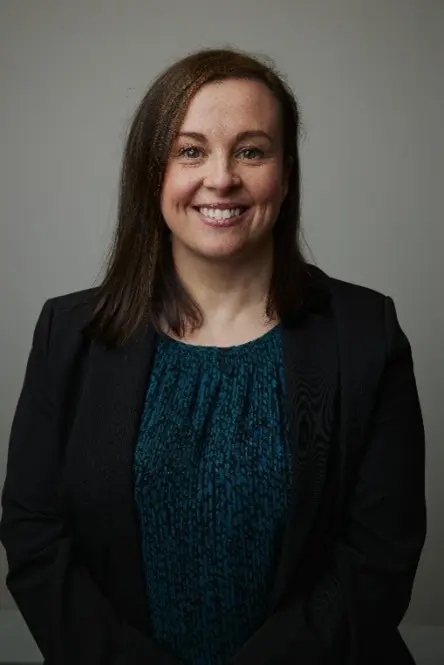
Patrice Fitzgerald is the Principal Lawyer and Director of Safe Space Legal. Patrice has over 20 years of experience working in the legal sector, predominantly in safeguarding and child protection.
Patrice has extensive expertise supporting organisations to comply with their safeguarding obligations. Alongside her role at Safe Space Legal, Patrice is also a Member of the Victorian Civil & Administrative Tribunal in the Review and Regulation List (Child Welfare).