
Queensland Child Safe Standards: Complete Compliance Guide
The introduction of the Queensland Child Safe Standards (the Standards) under the Child Safe Organisations Act 2024 (Queensland) marks one of the most significant safeguarding reforms in the State. With staged implementation deadlines across 2025 and 2026, and the upcoming Queensland Reportable Conduct Scheme (the Scheme), organisations must move beyond policy-based compliance and demonstrate a genuine, embedded culture of child safety.
This guide explains what the Queensland Family and Child Commission (QFCC) Child Safe Standards require, how to use available resources, and what practical compliance looks like for organisations across Queensland.
What are the Queensland Child Safe Standards?
The Queensland Child Safe Standards are a mandatory framework designed to ensure organisations create and maintain child safe environments. These Standards are regulated by the QFCC and form the foundation of Queensland’s child safe compliance.
They apply broadly to organisations that provide services, facilities, or programs to children, including:
- Schools and education providers
- Sporting clubs and associations
- Religious organisations
- Community and not-for-profit organisations
- Government and local councils
The 10 Child Safe Standards and How to Implement Them
The Standards are principles-based, meaning organisations must apply them in a way that reflects their size, risk profile, and operations.
1. Leadership, governance and culture
Child safety must be visibly prioritised by leadership. In practice, this means embedding safeguarding at a governance level through active board oversight, regular reporting on child safety risks, and a clear, public commitment that sets expectations across the organisation.
2. Children are informed and participate
Children must be empowered to speak up and be heard. Organisations should implement child-friendly complaints processes, provide regular opportunities for feedback (such as surveys or forums), and ensure children clearly understand their rights and how to raise concerns.
3. Families and communities are involved
Safeguarding is a shared responsibility. This requires organisations to communicate child safety policies effectively to families, engage with community stakeholders, and actively encourage feedback from parents and carers.
4. Equity is upheld and diverse needs respected
All children must feel safe, particularly those at greater risk. In practice, this involves implementing inclusion strategies for children with disability, adopting culturally appropriate practices, and undertaking tailored risk assessments to address the needs of vulnerable groups.
5. People working with children are suitable and supported
Recruitment and supervision are critical safeguards. Organisations should implement robustscreening processes such as Working With Children Checks, use behavioural interviewing to assess suitability, and provide ongoing supervision and performance monitoring.
6. Processes to respond to complaints are child-focused
Concerns must be taken seriously and handled appropriately. This includes having clear reporting procedures, applying trauma-informed approaches, and ensuring timely escalation and management of issues.
7. Staff and volunteers are equipped with knowledge and skills
Training must be ongoing and tailored to roles. Effective organisations provide structured induction and refresher training, use scenario-based learning to build practical understanding, and ensure staff are clear on their legal and organisational obligations.
8. Physical and online environments are safe
Risks must be proactively identified and managed across all environments. This includes implementing appropriate supervision policies, establishing online safety protocols, and conducting regular environmental risk assessments.
9. Continuous improvement
Safeguarding is not static and must evolve over time. Organisations should regularly review policies, conduct internal audits, and learn from incidents and near misses to strengthen their approach.
10. Policies and procedures document child safe practices
Documentation must reflect what actually happens in practice. This means maintaining up-to-date policies, ensuring procedures are accessible and understood by staff, and aligning all documentation with current legal obligations.
The Universal Principle
In addition to the 10 Standards, organisations must apply the Universal Principle, which requires organisations to foster culturally safe environments for Aboriginal and Torres Strait Islander children. This is a core compliance requirement, not an optional consideration.
Key deadlines: Who must comply and when?
The rollout of the Queensland Child Safe Standards is phased:
Phase 1: 1 October 2025
- Early adopters and selected sectors
Phase 2: January 2026
- Child safe compliance becomes mandatory for Queensland schools.
- A key milestone for the education sector.
Phase 3: April 2026
- Remaining organisations, including many sporting clubs in Queensland, must comply
These deadlines make early preparation essential, particularly for organisations with complex operations.
Using QFCC resources to achieve compliance
The QFCC provides practical tools to support implementation of the QFCC Child Safe Standards.
QFCC Self-Assessment Tool: A critical starting point for organisations.
Organisations can use this to:
- Identify compliance gaps
- Assess maturity across each Standard
- Prioritise actions
Implementation Guidelines: Detailed guidance on what each Standard requires.
Organisations can use this to:
- Translate obligations into practice
- Benchmark your organisation
- Support policy development
Templates and fact sheets: Including industry-specific guidance (e.g. for sporting clubs and schools).
Organisations can use this to:
- Develop compliant documents
- Ensure consistency
- Save time while maintaining quality
Transitioning from CYRMS to the new framework
Many organisations are currently transitioning from the Child and Youth Risk Management Strategy (CYRMS) to the new Child Safe Standards framework. While CYRMS focused primarily on documented risk management strategies, the new framework requires a broader and more integrated approach. There is a stronger emphasis on building and demonstrating a genuine child safe culture, actively involving children in decision-making and feedback processes, and implementing more robust governance and accountability structures at all levels
of the organisation.
Common compliance pitfalls (and lessons from case law)
A key lesson for organisations is that safeguarding failures are often systemic, not isolated. The case of Elisha v Vision Australia Limited highlights the legal and reputational risks of poor organisational processes, particularly in handling complaints and investigations.
Common pitfalls include:
- Treating compliance as a tick-box exercise
- Failing to implement policies in practice
- Inadequate complaint handling processes
- Lack of staff training and supervision
- Poor documentation of decisions
Preparing for the Queensland Reportable Conduct Scheme (July 2026)
The Scheme will commence in July 2026, introducing strict obligations for organisations.
Key requirements include:
- Reporting allegations of reportable conduct within 3 business days;
- Investigating and managing allegations appropriately;
- Notifying the regulator of outcomes
Risks of non-compliance include:
- Regulatory investigation
- Enforcement action and penalties
- Significant reputational damage
The Standards and the Scheme work together: the Standards focus on prevention, and the Scheme focuses on the response.
What This Means for Organisations
The introduction of the Queensland Child Safe Standards is a major shift in how organisations approach safeguarding. Compliance is no longer about having the right documents, but it’s also about demonstrating a genuine, embedded commitment to child safety across every level of the organisation.
Organisations must move from policy-based compliance to operational readiness. This means:
- Embedding child safety into governance and leadership;
- Ensuring staff understand and apply obligations;
- Implementing effective reporting and response systems;
- Continuously reviewing and improving practices;
For many organisations, particularly schools and sporting bodies, this represents a significant uplift in compliance expectations.
How Can Safe Space Legal Help?
The team at Safe Space Legal has extensive experience working with organisations in Queensland and around Australia to ensure they are meeting their safeguarding obligations.
Safe Space Legal has significant legal and holistic expertise to empower organisations to be child safe. Our services include:
- Audits and gap analyses of documents and practices against the Child Safe Standards;
- Child safety policy suite development;
- Tailored child safety training;
- Reportable Conduct investigations;
- Legal advice on child safety legal obligations;
- Critical incident review
Contact office@safespacelegal.com.au or call (03) 9124 7321 to organise a complementary discussion in relation to your organisation’s child safety and safeguarding needs.
Contact us for a 30-minute consultation to discuss your organisation’s safeguarding needs
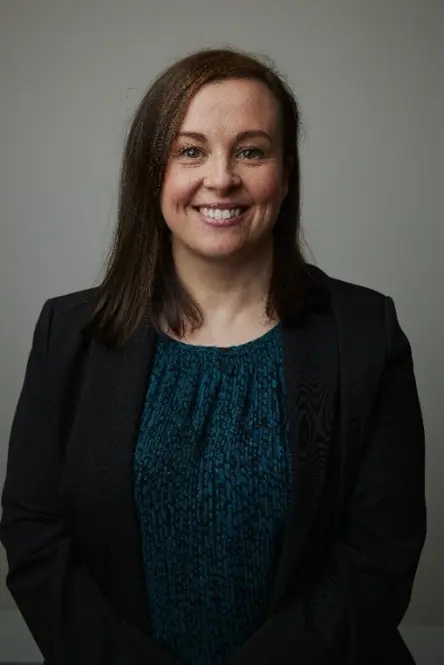
Patrice Fitzgerald is the Principal Lawyer and Director of Safe Space Legal. Patrice has over 20 years of experience working in the legal sector, predominantly in safeguarding and child protection.
Patrice has extensive expertise supporting organisations to comply with their safeguarding obligations. Alongside her role at Safe Space Legal, Patrice is also a Member of the Victorian Civil & Administrative Tribunal in the Review and Regulation List (Child Welfare).
- Patrice Fitzgerald
- Patrice Fitzgerald
- Patrice Fitzgerald
- Patrice Fitzgerald
- Patrice Fitzgerald
- Patrice Fitzgerald
- Patrice Fitzgerald
- Patrice Fitzgerald
- Patrice Fitzgerald
- Patrice Fitzgerald
- Patrice Fitzgerald
- Patrice Fitzgerald
- Patrice Fitzgerald