
New National Report Finds Preventing Violence Against Children Starts with Listening to Them
Key Takeaways
What the report found: Consultations with more than 300 children and young people across metropolitan, regional and remote Australia, released by the Australian Human Rights Commission, show that children understand what safety feels like, what unsafe behaviour looks like and what adults could do better. The Australian Child Maltreatment Study found 62.2% of Australians have experienced at least one form of child maltreatment, and exposure to domestic violence alone affects almost 40% of children.
Why it matters: National Principle 2 of the National Principles for Child Safe Organisations requires organisations to ensure children are informed about their rights, participate in decisions affecting them, are taken seriously and have access to safe, accessible and inclusive complaints processes. Children still face barriers to speaking up, including fear of not being believed, concern about getting into trouble and distrust of adults or systems.
How to respond: Embed child participation in culture and governance, educate children about their rights, create child-friendly complaints pathways, make sure children know who the safe adults are, make participation inclusive for First Nations children, children with disability, neurodivergent children and LGBTIQA+ young people, and treat online safety as a primary safeguarding issue with policies, cyber safety education and staff training.
Table of Contents
- Why Empowering Children Matters in Safeguarding
- Children Understand More About Safety Than Many Adults Realise
- The Risks of Not Listening to Children
- Child Safe Organisations Must Move Beyond Reactive Compliance
- Online Safety Is Now a Primary Safeguarding Issue
- What This Means for Organisations
- How Can Safe Space Legal Help?
Children and young people continue to experience family violence, domestic violence, emotional abuse, sexual harm, neglect, and harmful online behaviour at alarming rates. Data from the Australian Child Maltreatment Study found that 62.2% of Australians have experienced at least one form of child maltreatment, while exposure to domestic violence alone affects almost 40% of children.
Across Australia, organisations are increasingly being reminded that safeguarding children is not only about responding to harm after it occurs. Effective child safe practice also requires organisations to prevent harm, by actively empowering children and young people, listening to their concerns, and involving them in decisions affecting their safety and wellbeing.
This underpins Australia’s National Principles for Child Safe Organisations and the Child Safe Standards operating across Australian states and territories.
Recent national research and consultations with children and young people reinforce why these obligations matter. Children consistently demonstrate that they understand what safety feels like, what unsafe behaviour looks like, and what adults and organisations could do better to prevent harm before it begins. The full report released by the Australian Human Rights Commission can be found here.
For organisations working with children and young people, it is clear that empowering children is a critical component of effective safeguarding.
Why Empowering Children Matters in Safeguarding
One of the key principles underpinning modern safeguarding frameworks is that children and young people are active participants in their own safety.
National Principle 2 of the National Principles for Child Safe Organisations requires organisations to ensure children and young people:
- are informed about their rights;
- participate in decisions affecting them;
- are taken seriously; and
- have access to safe, accessible, and inclusive complaints processes.
These requirements recognise that children are often the first to notice when something feels unsafe, inappropriate, exclusionary, or harmful.
When children feel heard, respected, and supported to speak up, organisations are often better positioned to:
- identify risks early;
- respond to concerns sooner;
- strengthen trust and transparency;
- improve reporting pathways; and
- prevent harm from escalating.
Empowering children does not place responsibility for safety on them. Adults and organisations remain responsible for protecting children from harm. However, child participation is a significant protective factor that strengthens prevention and early intervention efforts.
Children Understand More About Safety Than Many Adults Realise
Recent consultations involving more than 300 children and young people across metropolitan, regional, and remote Australia highlighted that children and young people have a sophisticated understanding of violence, safety, and harmful behaviour.
Participants identified that violence is often shaped by environmental and systemic influences, including:
- family and community conflict;
- gender stereotypes and inequality;
- racism and discrimination;
- housing instability and financial stress;
- intergenerational trauma;
- substance abuse; and
- harmful online content and social media influences.
Young people consistently described violence as something that is learned through environments and experiences rather than occurring in isolation.
At the same time, children and young people were also able to clearly identify what safe relationships and environments look like. They described safety as being connected to:
- trust;
- inclusion;
- emotional support;
- healthy communication;
- respectful relationships; and
- adults who genuinely listen and respond appropriately.
These findings reinforce why child participation and engagement are central to effective safeguarding practices.
The Risks of Not Listening to Children
Many children and young people continue to face barriers when trying to raise concerns or seek help.
Consultations and safeguarding research consistently identify barriers such as:
- fear of not being believed;
- concerns about getting into trouble;
- distrust of adults or systems;
- inaccessible complaints processes
- lack of understanding about rights; and
- uncertainty about what unsafe behaviour looks like.
For younger children in particular, there are concerns that many may struggle to identify or verbalise unsafe relationship dynamics without appropriate education and support. This is why child empowerment cannot be treated as a tokenistic exercise or a compliance checkbox.
When organisations fail to create safe environments where children feel comfortable speaking up, opportunities to identify and prevent harm can be missed. Organisations that prioritise child participation and child-centred practice are often better equipped to build cultures of safety, accountability, and prevention.
Child Safe Organisations Must Move Beyond Reactive Compliance
The National Principles and Child Safe Standards require organisations to take proactive steps to create environments where children and young people are genuinely empowered. This includes:
- embedding child participation into organisational culture and governance;
- educating children and young people about their rights;
- creating accessible and child-friendly complaints pathways;
- ensuring children know who safe adults are within the organisation;
- involving children in decisions affecting them;
- strengthening staff capability around child-centred practice; and
- regularly reviewing whether safeguarding systems are working effectively for children.
Importantly, participation strategies must also be inclusive and accessible. Children and young people do not all experience safety in the same way. Safeguarding approaches should consider the experiences and barriers affecting:
- First Nations children and communities;
- children with disability;
- neurodivergent children;
- LGBTIQA+ young people;
- culturally and racially marginalised communities; and
- children living in remote or high-risk environments.
A one-size-fits-all approach to child safety is unlikely to meet the needs of all children and young people.
Online Safety Is Now a Primary Safeguarding Issue
Children and young people increasingly learn about relationships, communication, identity, and social behaviour through online environments.
Social media platforms, influencers, streaming services, gaming communities, and digital communication spaces now play a major role in shaping how young people understand relationships and behaviour.
Young people have identified growing concerns around:
- harmful online content;
- misogynistic messaging;
- cyberbullying;
- exposure to violence and exploitation;
- unrealistic social pressures; and
- normalisation of unhealthy relationship dynamics.
For organisations, safeguarding obligations extend beyond physical environments.
Child safe organisations should ensure they have appropriate:
- online safety policies;
- cyber safety education;
- digital communication protocols;
- staff training regarding online conduct; and
- mechanisms to respond to online harm involving children and young people.
What This Means for Organisations
For organisations working with children and young people, safeguarding must move beyond policies that only focus on responding after incidents occur.
Creating a genuinely child safe organisation requires leaders to build cultures where children:
- feel safe to speak up;
- understand their rights;
- know how to report concerns;
- trust adults within the organisation; and
- believe they will be taken seriously.
This is not only best practice, but it is central to meeting obligations under the National Principles for Child Safe Organisations and Child Safe Standards across Australia.
Meaningful child participation should be embedded into everyday organisational practice rather than treated as a standalone initiative.
How Can Safe Space Legal Help?
Creating safer environments for children starts with listening to them, and ensuring organisations have the systems, culture, and capability to respond appropriately.
The team at Safe Space Legal have extensive experience working with organisations that work with children and young people across Australia to strengthen their safeguarding frameworks and ensure they are meeting their safeguarding legal obligations.
We provide comprehensive support to organisations across the complete cycle of safeguarding, assisting them to prevent harm from occurring, comply with their legal obligations, and respond effectively after harm has occurred.
Safe Space Legal provides the following services to ensure organisations meet their legal obligations:
- Providing organisations with advice on their legal obligations and compliance;
- Drafting best practice child safety policies, procedures and codes of conduct;
- Conducting gap analysis audits of critical incidents;
- Providing training on legal obligations, duty of care and child safety;
- Conducting trauma-informed child safety investigations which are compliant with
relevant state and territory schemes; and - Providing advice on risk mitigation.
Contact office@safespacelegal.com.au or call 03 9124 7321 to organise a complementary discussion in relation to your organisation’s child safety and safeguarding needs.
Contact us for a 30-minute consultation to discuss your organisation’s safeguarding needs
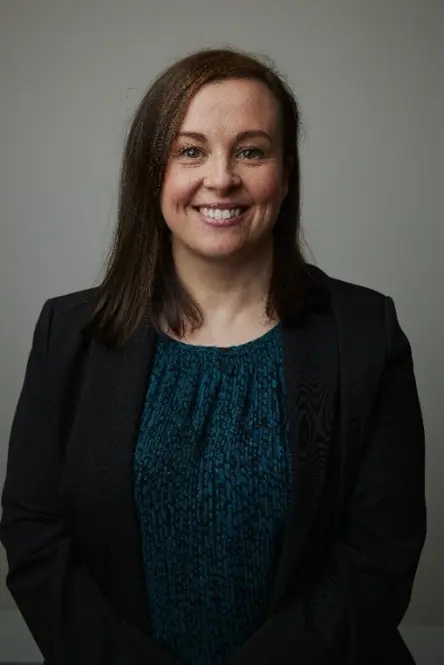
Patrice Fitzgerald is the Principal Lawyer and Director of Safe Space Legal. Patrice has over 20 years of experience working in the legal sector, predominantly in safeguarding and child protection.
Patrice has extensive expertise supporting organisations to comply with their safeguarding obligations. Alongside her role at Safe Space Legal, Patrice is also a Member of the Victorian Civil & Administrative Tribunal in the Review and Regulation List (Child Welfare).
- Patrice Fitzgerald
- Patrice Fitzgerald
- Patrice Fitzgerald
- Patrice Fitzgerald
- Patrice Fitzgerald
- Patrice Fitzgerald
- Patrice Fitzgerald
- Patrice Fitzgerald
- Patrice Fitzgerald
- Patrice Fitzgerald
- Patrice Fitzgerald
- Patrice Fitzgerald
- Patrice Fitzgerald
- Patrice Fitzgerald
- Patrice Fitzgerald
- Patrice Fitzgerald
- Patrice Fitzgerald