
Protecting Children with Disabilities: Enhanced Safeguarding for Children at Higher Risk
Children with disabilities are among the most vulnerable groups when it comes to abuse, neglect, exploitation, and institutional harm. Australian research and safeguarding bodies consistently show that children with disability experience significantly higher rates of abuse and maltreatment compared to children without disability, with some studies identifying risks up to four times higher.
For organisations working with children and young people, these findings reinforce the importance of disability-inclusive safeguarding practices, stronger oversight, and proactive compliance with Australia’s evolving child safety laws and standards.
Why Are Children with Disabilities at Greater Risk?
Children with disability can face unique vulnerabilities that increase the likelihood of abuse or harm. These risks are often linked to dependency on adults for personal care, communication barriers, social isolation, behavioural misconceptions, and unequal power dynamics.
Children with an intellectual disability, communication difficulties, sensory impairments, or complex support needs may find it harder to disclose abuse, be believed, or access appropriate support services. In some environments, particularly institutional or segregated settings, inadequate safeguards and poor organisational cultures can further increase risk.
The Australian Institute of Health and Welfare (AIHW) has found that children with disability are overrepresented in child protection systems, family violence exposure, and out-of-home care placements. The Royal Commission into Violence, Abuse, Neglect and Exploitation of People with Disability (Disability Royal Commission) also highlighted widespread failures across schools, disability services, and institutional settings, identifying systemic gaps in safeguarding and oversight.
The Law: Protecting Children with Disabilities in Australia
Australia’s safeguarding framework is governed through a combination of federal and state legislation, child safe standards, disability regulations, and human rights obligations.
Key legal and regulatory frameworks include:
- The National Principles for Child Safe Organisations;
- State and territory Child Safe Standards;
- Child protection and mandatory reporting legislation;
- Working With Children Check laws;
- The NDIS Practice Standards and Code of Conduct;
- Oversight by the NDIS Quality and Safeguards Commission; and
- Anti-discrimination and human rights legislation.
Following the Royal Commission into Institutional Responses to Child Sexual Abuse and the Disability Royal Commission, organisations are increasingly expected to implement disability-inclusive safeguarding systems that recognise the heightened risks faced by children with disability.
Under the National Principles for Child Safe Organisations, organisations must ensure that equity is upheld and diverse needs are taken into account. This includes ensuring children with disability can participate in decisions affecting them, access child-friendly complaints processes, and communicate concerns safely and effectively.
In many states and territories, regulators are also placing greater scrutiny on organisational responses to safeguarding risks involving children with disability, particularly in education, disability, community services, sport, and residential care settings.
Enhanced Safeguarding: What Does It Involve?
Enhanced safeguarding goes beyond standard compliance measures. It requires organisations to actively identify and address the additional risks experienced by children with disability.
This can include:
Accessible Reporting Pathways
Children with disability must be able to safely disclose concerns in ways that are accessible and appropriate to their communication needs. Organisations should ensure complaints systems are inclusive, child-friendly, and available in multiple formats.
Safer Recruitment and Screening Processes
Robust recruitment processes, Working With Children Checks, reference checks, and behavioural interviewing help reduce safeguarding risks and strengthen organisational accountability.
Disability-Inclusive Policies and Procedures
Policies should specifically address the needs and vulnerabilities of children with disability, including guidance around communication supports, personal care, behavioural support, and restrictive practices.
Staff Training and Capability Building
Staff and volunteers should receive training on disability-inclusive safeguarding, recognising indicators of abuse, responding appropriately to disclosures, and understanding trauma-informed practice.
Stronger Oversight of Restrictive Practices
The Disability Royal Commission identified serious concerns regarding misuse of restrictive practices. Organisations should ensure restrictive practices are only used lawfully, have been appropriately authorised, and are subject to regular review and oversight.
Participation and Empowerment
Children with disability should be supported to participate in decisions affecting them and understand their rights, safety, and available supports.
Organisational Culture
A child-safe culture requires leadership commitment, accountability, transparency, and ongoing risk assessment. Safeguarding should be embedded across governance, operations, and day-to-day practice.
Other Important Findings and Trends
Recent Australian investigations and research continue to reveal concerning trends relating to abuse and neglect experienced by children and young people with disability.
The Disability Royal Commission highlighted:
- Higher rates of violence, abuse, neglect, and exploitation in institutional settings;
- Failures to appropriately respond to complaints and disclosures;
- Inadequate workforce training and supervision;
- Increased risks in segregated environments; and
- Poor regulation and oversight across some sectors.
The Disability Royal Commission also emphasised that safeguarding cannot rely solely on policies. Effective safeguarding requires organisations to create environments where children feel safe, heard, respected, and empowered.
There is also increasing regulatory focus on:
- Governance accountability;
- Record keeping and incident reporting;
- Cultural safety and inclusion;
- Child participation; and
- Continuous improvement and independent review processes.
What Does This Mean for Organisations?
Organisations working with children and young people must ensure their safeguarding systems are inclusive of children with disability and responsive to heightened risks.
This means organisations should:
- Review child safety policies through a disability-inclusive lens;
- Assess whether reporting pathways are accessible;
- Provide targeted safeguarding training for staff and volunteers;
- Strengthen recruitment and screening processes;
- Review behaviour support and restrictive practice frameworks;
- Ensure governance oversight of safeguarding risks;
- Conduct regular safeguarding risk assessments; and
- Embed the National Principles and relevant Child Safe Standards into practice.
Organisations should move beyond a ‘tick-box’ compliance approach. Regulators increasingly expect evidence that safeguarding systems are actively implemented, understood by staff, and effective in practice.
Failure to appropriately safeguard children with disability can expose organisations to significant legal, regulatory, operational, and reputational risk.
How Can Safe Space Legal Help?
The team at Safe Space Legal has extensive experience working with organisations in the disability sector, to support and strengthen their safeguarding practices and ensure organisations are meeting their legal obligations when working with children and young people with disability. We work with organisations across Australia and frequently conduct independent safeguarding investigations.
Safe Space Legal offers holistic safeguarding services including:
- Developing safeguarding policies, procedures and complaints-handling processes;
- Delivering safeguarding training to ensure organisations are aware of their obligations and sector-specific requirements;
- Conducting trauma-informed specialist safeguarding investigations into allegations of violence, abuse, neglect and exploitation in the child safety and disability sectors;
- Providing expert advice on safeguarding compliance and systemic issues;
- Conducting root cause analyses of critical incidents and crisis management;
- Providing sound legal advice on risk mitigation; and
- Completing policy and implementation audits to ensure compliance with legislative obligations.
Contact office@safespacelegal.com.au or call (03) 9124 7321 to organise a complementary discussion in relation to your organisation’s safeguarding needs.
Contact us for a 30-minute consultation to discuss your organisation’s safeguarding needs
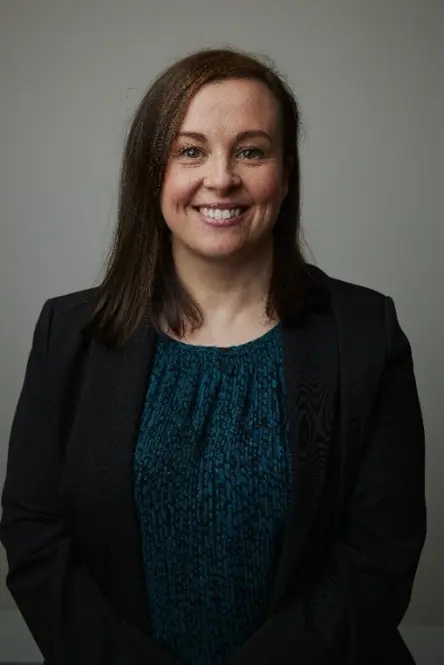
Patrice Fitzgerald is the Principal Lawyer and Director of Safe Space Legal. Patrice has over 20 years of experience working in the legal sector, predominantly in safeguarding and child protection.
Patrice has extensive expertise supporting organisations to comply with their safeguarding obligations. Alongside her role at Safe Space Legal, Patrice is also a Member of the Victorian Civil & Administrative Tribunal in the Review and Regulation List (Child Welfare).
- Patrice Fitzgerald
- Patrice Fitzgerald
- Patrice Fitzgerald
- Patrice Fitzgerald
- Patrice Fitzgerald
- Patrice Fitzgerald
- Patrice Fitzgerald
- Patrice Fitzgerald
- Patrice Fitzgerald
- Patrice Fitzgerald
- Patrice Fitzgerald
- Patrice Fitzgerald
- Patrice Fitzgerald
- Patrice Fitzgerald
- Patrice Fitzgerald
- Patrice Fitzgerald
- Patrice Fitzgerald