
The Regulators of the Child Safe Standards in Victoria: Who Oversees Your Organisation?
Organisations in Victoria that work with children and young people have a legal responsibility to create and maintain child safe environments. However, not every organisation is regulated by the same authority.
Victoria has adopted a co-regulatory approach to the Child Safe Standards (Standards), with five regulators responsible for overseeing compliance across different sectors. These include the Social Services Regulator (SSR), the Victorian Registration and Qualifications Authority (VRQA), the Victorian Early Childhood Regulatory Authority (VECRA), the Department of Health, and Workforce Inspectorate Victoria.
While each regulator has a different area of responsibility, they share a common objective of ensuring that organisations take meaningful steps to prevent child abuse and protect children and young people from harm.
Understanding which regulator oversees your organisation is important, particularly when determining where to seek guidance, understanding how compliance is monitored and what regulatory obligations apply.
Why Are There Different Regulators for the Standards?
The Standards apply across a broad range of organisations, including schools, early childhood services, health services, disability providers, sporting organisations, religious bodies and community organisations. These organisations operate in different environments and are already subject to different regulatory frameworks, legislation and oversight arrangements.
Rather than placing responsibility for every sector under a single regulator, Victoria adopted a co-regulatory model. This allows existing sector regulators to oversee the Standards within their respective areas of responsibility, drawing on their knowledge of the industries they regulate and their existing regulatory relationships with organisations.
For example, early childhood services are already subject to specific requirements concerning children’s safety, health and wellbeing. Having the sector regulator oversee the Standards allows child safety compliance to be considered alongside its broader regulatory responsibilities.
The approach also recognises that safeguarding risks vary across sectors. The risks faced by children in a hospital, school, childcare centre or sporting organisation may require different regulatory knowledge and responses.
Although the regulators have separate responsibilities, they work together to promote consistent implementation of the Standards and share information where necessary. Some organisations may also fall under the oversight of more than one regulator if they provide services across different sectors.
Who Regulates the Standards in Victoria?
There are five co-regulators responsible for overseeing the Standards in Victoria. Each has responsibility for particular types of organisations.
1. Social Services Regulator
The SSR is responsible for regulating the Standards across the social services sector and for organisations that do not have a designated sector-specific regulator.
This includes disability service providers, out-of-home care services, housing and homelessness services, family violence and sexual assault services, and certain child and family support services.
The SSR also regulates organisations such as sporting clubs, religious organisations, youth organisations and local councils where they fall within its allocated regulatory responsibilities.
As an independent statutory authority, the SSR has powers to monitor, investigate and enforce compliance with the Standards under the Child Wellbeing and Safety Act 2005 (Vic) and the Social Services Regulation Act 2021 (Vic).
The SSR also administers other important safeguarding mechanisms, including the Reportable Conduct Scheme, Working with Children Check Scheme, Worker and Carer Exclusion Scheme and NDIS Worker Screening Check.
Its broader responsibilities allow it to consider organisational compliance alongside other information relevant to identifying and responding to risks to children and people who use social services.
2. Victorian Registration and Qualifications Authority
The VRQA regulates compliance with the Standards across registered schools and specified education providers.
Its responsibilities are in relation to organisations which include registered schools, school boarding premises, certain non-school senior secondary education providers, student exchange organisations and some registered training organisations.
The VRQA’s role is to ensure that education providers meet their regulatory obligations, including maintaining environments where children and young people are protected from abuse and harm.
By incorporating the Standards into its existing regulatory oversight, the VRQA can consider child safety alongside the broader requirements governing education providers.
3. Victorian Early Childhood Regulatory Authority
VECRA is responsible for regulating the Standards across early childhood education and care services in Victoria.
This includes long day care, family day care, outside school hours care, vacation care, limited-hours services and occasional care services.
VECRA became the sector regulator for the Standards in early childhood services on 1 January 2026. Its regulatory responsibilities include monitoring and enforcing compliance with the Standards alongside the requirements of the Education and Care Services National Law and the Children’s Services Act 1996.
This integrated approach allows child safety to be considered as part of the broader regulation of early childhood services, including during service visits and other compliance activities.
4. Department of Health
The Department of Health is responsible for regulating the Standards across the health sector.
This includes public and private hospitals, community health services, mental health services, maternal and child health centres, day procedure centres and certain drug and alcohol treatment services.
The Department of Health became the sector regulator for health organisations who must comply with the Standards on 1 January 2023. Its responsibilities include providing guidance, monitoring compliance, investigating concerns and taking enforcement action where necessary.
This is particularly important because children and young people may access a range of health services and facilities, where organisations must consider their safety and wellbeing as part of the care they provide.
5. Workforce Inspectorate Victoria
Workforce Inspectorate Victoria regulates compliance with the Standards for organisations that employ children and young people and are required to hold a licence under the Child Employment Act 2003 (Vic).
Its regulatory role focuses on promoting child safety in workplaces where children and young people are employed, including monitoring and enforcing compliance with the Standards.
Organisations employing children and young people have responsibilities that extend beyond obtaining the necessary child employment licence. They must also ensure appropriate safeguards are in place to protect children and young people from harm, exploitation and unsafe working conditions.
Having a dedicated regulator for this area recognises the particular risks associated with children and young people participating in employment and the importance of appropriate workplace protections.
Can an Organisation Have More Than One Regulator?
Yes, an organisation may have more than one regulator where it operates services or facilities across different sectors.
For example, a school that also operates an approved early childhood education and care service may be regulated by both the VRQA and VECRA. The VRQA oversees the school’s compliance, while VECRA is responsible for the early childhood service.
Similarly, a local council may operate facilities and services that fall under different regulatory responsibilities.
In these circumstances, the regulators may work together to monitor compliance and address concerns within their respective areas of responsibility.
Importantly, having more than one regulator does not mean an organisation can divide its child safety responsibilities or assume that compliance in one area automatically satisfies its obligations elsewhere. Organisations must understand the requirements that apply to each of their services and facilities.
What This Means for Organisations
The co-regulatory model makes it important for organisations to understand not only their obligations under the Standards, but also which authority is responsible for overseeing their compliance.
Organisations should not assume that their regulator is determined solely by their organisation’s name, size or general purpose. The nature of the services they provide, the facilities they operate and the relevant legislative classifications will determine which regulator has responsibility.
Regardless of which regulator oversees an organisation, the underlying obligation remains the same and the Standards must be embedded into everyday practices, organisational culture, governance and decision-making.
This requires more than having child safety policies in place. Organisations must ensure their policies and procedures are implemented, staff and volunteers understand their responsibilities, concerns are appropriately reported and responded to, and risks to children and young people are regularly identified and addressed.
Organisations should also be prepared to demonstrate how their safeguarding arrangements operate in practice, rather than relying solely on written policies to establish compliance.
How Can Safe Space Legal Help?
Understanding which regulator oversees your organisation is an important first step. However, organisations must also ensure their safeguarding frameworks meet the relevant legal requirements and are effective in protecting children and young people.
The team at Safe Space Legal has extensive safeguarding experience. We have worked with many organisations across Australia to ensure they are meeting their legal obligations and help them build a culture of safety and accountability.
Our team can assist organisations to assess whether their safeguarding frameworks are compliant with legislative obligations and best practice, identify gaps in policies and practices, and develop legally sound procedures that support child safe environments.
Our services include:
- Drafting legally sound policies, procedures, and codes of conduct;
- Providing policy audits and developing safeguarding policies, procedures, and complaint handing processes;
- Providing root cause analysis to identify gaps in policy and/or practice which put organisations at risk of non-compliance with their sector-specific obligations;
- Conducting safeguarding investigations which are compliant with relevant state and territory legislation and regulations;
- Delivering tailored safeguarding training to ensure organisations are aware of their
- sector-specific requirements and obligations;
- Ensuring that complaints handling and reporting processes are compliant with legal obligations;
- Provide sound legal advice on risk mitigation.
Contact office@safespacelegal.com.au or call (03) 9124 7321 to organise a complimentary discussion in relation to your organisation’s child safety and safeguarding needs.
Contact us for a 30-minute consultation to discuss your organisation’s safeguarding needs
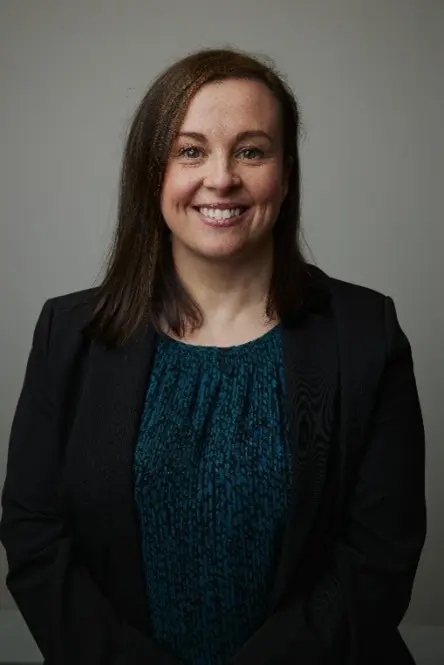
Patrice Fitzgerald is the Principal Lawyer and Director of Safe Space Legal. Patrice has over 20 years of experience working in the legal sector, predominantly in safeguarding and child protection.
Patrice has extensive expertise supporting organisations to comply with their safeguarding obligations. Alongside her role at Safe Space Legal, Patrice is also a Member of the Victorian Civil & Administrative Tribunal in the Review and Regulation List (Child Welfare).
- Patrice Fitzgerald
- Patrice Fitzgerald
- Patrice Fitzgerald
- Patrice Fitzgerald
- Patrice Fitzgerald
- Patrice Fitzgerald
- Patrice Fitzgerald
- Patrice Fitzgerald
- Patrice Fitzgerald
- Patrice Fitzgerald
- Patrice Fitzgerald
- Patrice Fitzgerald
- Patrice Fitzgerald
- Patrice Fitzgerald
- Patrice Fitzgerald
- Patrice Fitzgerald
- Patrice Fitzgerald
- Patrice Fitzgerald